
Summary:
- Healthy body supports conception
- Early planning reduces risks
- Nutrition impacts pregnancy outcomes
- Checkups identify hidden concerns
- Lifestyle habits affect fertility
You’ve decided you want a baby. And suddenly, you’re a little terrified.
Am I healthy enough? Did I wait too long? Should I have started something months ago? These questions show up in my office all the time, usually from women who are excited and anxious in equal measure. If that’s you right now, take a breath. You’re already doing the most important thing — you’re thinking about it ahead of time.
Here’s the truth most people miss. So much of a healthy pregnancy is shaped before there’s ever a positive test. The weeks and months leading up to conception matter just as much as the nine that follow. Maybe more.
So let’s talk about how to get your body ready. Not in a scary, do-everything-perfectly way. Just smart, doable steps.
What “Pre-Pregnancy Health” Actually Means
You might hear your doctor call it preconception care. Fancy term. Simple idea.
It just means taking care of your physical, emotional, and medical health before you try to conceive. The goal isn’t perfection. It’s getting your body into a good starting place so that, if pregnancy happens, both you and the baby have the best possible footing.
Think of it like this. You wouldn’t run a marathon without a little training first. Pregnancy asks a lot of your body. A bit of preparation goes a long way.
And here’s the part patients are often surprised by: your fertility and your general health are deeply connected. When your body is balanced and well cared for, conception tends to come a little easier, and early pregnancy tends to go a little smoother.
Why Preparing Your Body for Pregnancy Is Worth It
Pregnancy changes nearly everything about how your body works. Walking into it healthy and steady makes a real difference.
A few reasons it matters so much:
- It can improve your chances of a healthy conception. A balanced body is a more welcoming one.
- It supports your baby from day one. The earliest weeks of development happen before many women even know they’re pregnant.
- It lowers certain risks. Managing your health early can reduce the odds of some pregnancy complications.
- It helps your hormones do their job. Hormone balance is a quiet hero in all of this.
- The benefits last. Healthy habits you build now tend to stick around for both you and your child.
- Small steps now. Big payoff later.
Health Conditions Worth Sorting Out First
Some health issues can quietly affect fertility or how a pregnancy unfolds. The good news? When we catch them early, we can usually manage them well.
These are the ones I keep an eye on:
- Thyroid problems. This little gland in your neck controls a lot, including your cycle.
- Diabetes or blood sugar issues. Getting blood sugar steady before pregnancy is a big one.
- PCOS and other hormone concerns. Common, and very manageable with the right plan.
- High blood pressure. Worth getting under control beforehand.
- Nutritional gaps. Low iron or vitamin D shows up more often than you’d guess.
- Existing reproductive conditions. Things like fibroids or endometriosis are worth discussing.
If any of these ring a bell, don’t panic. It just means it’s a conversation worth having sooner rather than later.
Food and Supplements: Your Foundation
What you eat in the months before pregnancy genuinely matters. Your body stores up nutrients, and some of them go to work in those very first weeks — before you’ve even taken a test.
Where I’d start:
- Folic acid. This one’s non-negotiable. It helps protect your baby’s developing brain and spine, which is why most US guidelines suggest starting it before you conceive.
- Iron, calcium, and vitamin D. Quiet workhorses for you and the baby.
- Protein and balanced meals. Real food, most of the time.
- Water. Boring advice. Still true. Stay hydrated.
- A healthy weight. Both ends of the scale can throw off your hormones, so finding a comfortable middle helps.
A good prenatal vitamin covers a lot of bases. But check with your own provider, because the right mix depends on you.
Everyday Habits That Get You Ready
Here’s something reassuring. The little daily things often matter more than the dramatic ones.
- Move your body. A walk along the lake counts. You don’t need a gym membership or a grand plan.
- Protect your sleep. Rest helps your hormones stay regulated. In our busy city, I know that’s easier said than done.
- Manage your stress. Stress is part of life, but finding your release valve — whatever it is — helps.
- Cut back on alcohol, and stop smoking. Both affect fertility and early pregnancy.
- Aim for a weight that feels healthy for you. Not a magazine number. A you number.
- None of this has to happen overnight. Pick one. Build from there.
Why a Pre-Pregnancy Checkup Is So Useful
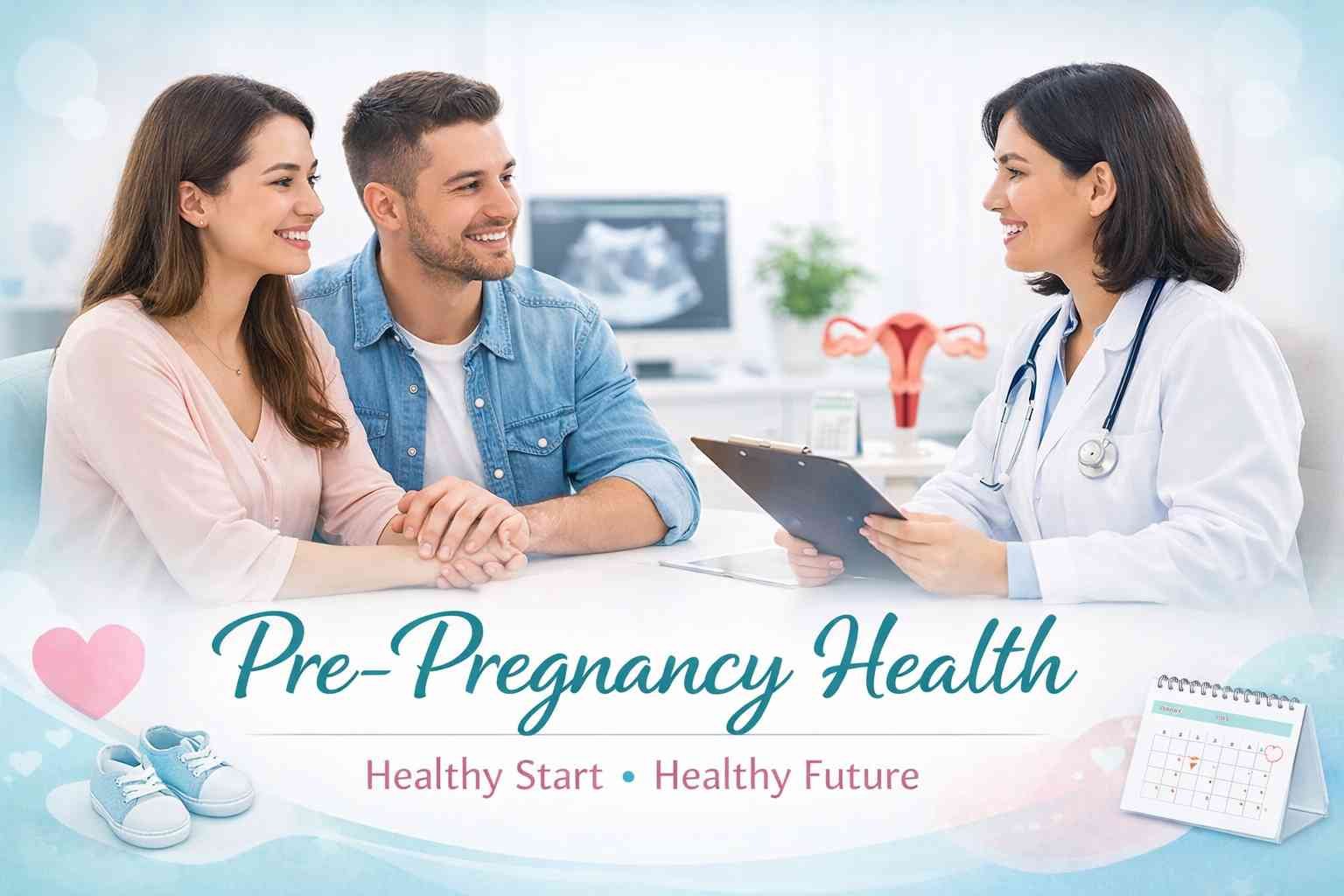
Patients often ask if they really need a visit before trying. My answer? It’s one of the most helpful appointments you’ll ever book.
In a preconception visit, we usually:
- Talk through your medical and family history
- Order fertility checks if they make sense for you
- Review any medications and supplements you’re taking — some need adjusting before pregnancy
- Make sure your vaccinations are up to date
- Build a plan that fits your goals
- Thirty minutes in my office can save you a lot of guessing later.
Don’t Forget Your Heart and Mind
We talk so much about the physical side that we skip the emotional one. I won’t.
Getting ready for a baby stirs up real feelings. Excitement. Worry. Sometimes grief, if the road here has been hard. All of it is valid.
- Your mental health and your reproductive health are linked.
- Feeling emotionally ready matters as much as feeling physically ready.
- If anxiety about conceiving is weighing on you, please say so. We can help.
- Lean on your people. A solid support system is medicine in its own right.
When to See a Specialist Before Trying
Sometimes it’s smart to come in a little earlier. I’d reach out if:
- You’re over 35 and planning a pregnancy
- Your cycles are irregular, or you’ve had trouble conceiving
- You have a health condition we’ve talked about here
- You’ve had complications in a past pregnancy
- You want a plan built around your situation
There’s no such thing as too cautious here. Personalized care beats generic advice every time.
You’re Already on the Right Track
Preparing for pregnancy is so much more than timing things just right. It’s caring for your body, settling any health concerns, eating well, and getting to know yourself before this next chapter begins.
You don’t have to figure it all out alone. If you’re thinking about a baby — even just thinking about it — come talk to a women’s health provider you trust. Let’s build a plan that fits your body, your life, and your hopes.
Frequently Asked Questions (FAQs)
1. Why is pre-pregnancy health important?
Pre-pregnancy health may influence fertility, pregnancy progression, and overall maternal well-being. Early preparation can help address risks before conception.
2. How early should I start preparing my body for pregnancy?
Many healthcare providers recommend starting at least three to six months before trying to conceive, depending on individual health factors.
3. What vitamins are important before pregnancy?
Folic acid, iron, calcium, vitamin D, and prenatal supplements are commonly discussed before conception, though recommendations vary by individual.
4. Does weight affect fertility and pregnancy?
Both underweight and overweight conditions may influence hormone balance and fertility. Maintaining a healthy weight can support reproductive health.
5. Should I have a medical checkup before trying to conceive?
A pre-pregnancy consultation can help review medical history, medications, lifestyle factors, and identify conditions that may need attention before pregnancy.